From Kitchen Staple to Luxury Spice: Ginger Price Hike Bites Hard on Businesses, Households
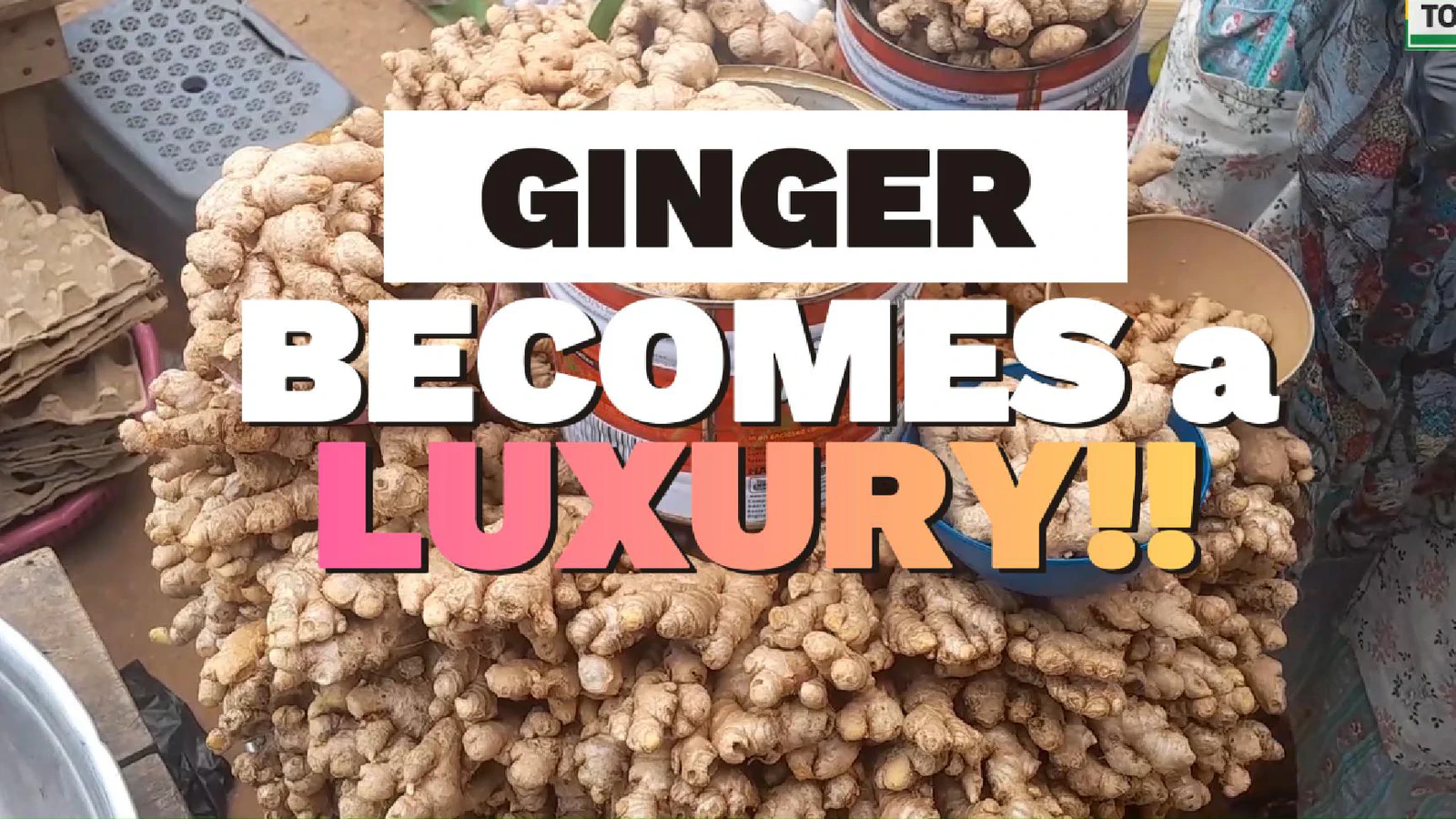
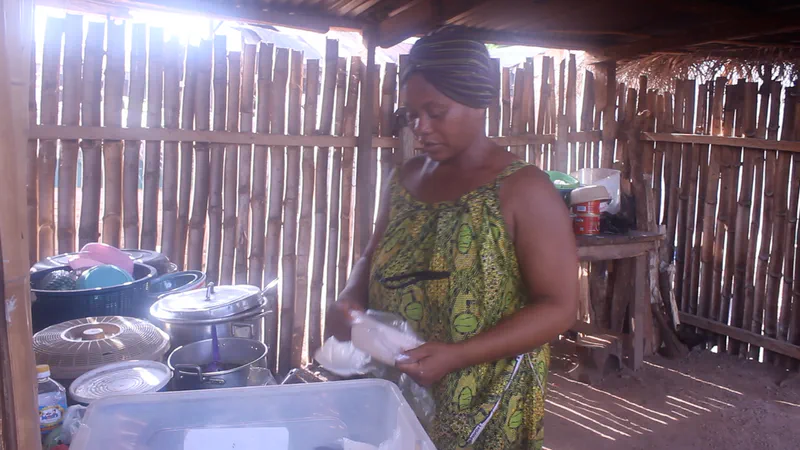
But behind the busy scene, frustration is evident, written plainly on the face of Joyce Adomah, as she moves with quiet calculation between the mortar, the firewood and the steaming pots, with each step focused on how to stretch the little ginger she has available without compromising the rich taste and quality her customers expect.

With her face edged with worry, reflecting the daily struggle of balancing rising ingredient costs with the need to keep her business running, she shakes her head as she prepares the meals, a silent expression of the daily challenge of maintaining both the taste and quality of the food and the survival of her livelihood.
“Ginger is everything in our cooking because it gives the flavour, the aroma. But now, I have to reduce the quantity or sometimes skip it altogether. If I increase the price of the food, customers complain. If I don’t, I make losses,” she bemoaned.
This has now become the stark reality for many food vendors and businesses in the Bono Region and beyond, as ginger, once a humble ingredient found in almost every Ghanaian kitchen, is fast turning into a costly commodity beyond the reach of many households.
Traders Look Beyond Ghana’s Borders
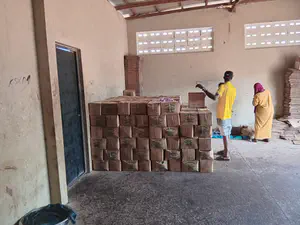
With the widening gap between local production and consumption needs in Ghana, traders have been compelled to resort to neighbouring Côte d’Ivoire, a key source of ginger, to keep the commodity available on the market.
The cross-border trade, which has become more active in recent months, has spurred the cumulative price of ginger, taking into consideration the farm gate price, transportation cost and profit margins.
Data from the Ghana Statistical Service’s March 2026 Consumer Price Index puts ginger among the top 10 high-inflation items, turning it from an affordable kitchen staple into a near-luxury item, disrupting businesses and household budgets.
With a bag of ginger, which previously sold for around GH₵1,000 and GH₵1,500, now going for as much as GH₵7,000, traders say they have little control over the rising costs, largely driven by the sheer unavailability of the commodity on the market.
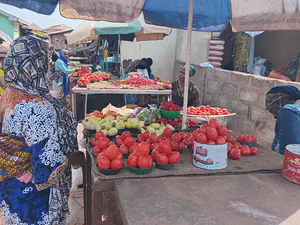
At the bustling Masommasom Market, the impact of rising ginger prices is evident in everyday trading, as three pieces of ginger now sell for about GH₵10, while bowls of varying sizes are priced at GH₵20, GH₵30, GH₵50, GH₵100, and even as high as GH₵200, compelling both traders and customers to engage in constant bargaining.

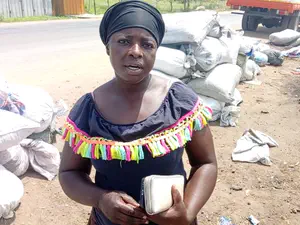
“The truth is that these gingers are from Côte d’Ivoire and not from Ghana, so that is why the prices are high. We don’t set these prices ourselves. Everything is expensive from the source, so we are only adding a small profit so we can also survive,” Mavis Adwoa Benewaa disclosed.

Farmers’ Perspective
For farmers in major ginger-growing communities such as Kabronso in the Kintampo North District of the Bono East Region, the surge in ginger prices is attributable to erratic rainfall patterns and prolonged dry spells witnessed in the 2023, 2024 and 2025 crop seasons.
Daniel Dasaah, the Assembly Member for the Krabonso Electoral Area and a ginger farmer, recounts that ginger, which thrives under consistent moisture and moderate temperatures, is highly sensitive to weather fluctuations. When the rains delay or stop abruptly, the soil loses the steady moisture needed for rhizome development, causing stunted growth and smaller harvests.

According to him, many farmers recorded significant losses due to poor harvests and rising production challenges, leaving them with little to sell despite the high market prices.
“We didn’t receive the rains at the expected time, which disrupted the proper growth of the ginger. The delay meant the crops could not establish well at the early stages, and by the time the rains eventually came, the conditions were no longer favourable for healthy development. As a result, the ginger did not mature properly, leading to reduced yields,” Daniel Dasaah bemoaned.
To mitigate the issue, the farmers are calling on government and stakeholders within the agricultural value chain to provide support, including access to irrigation facilities, improved seedlings and extension services to boost production and stabilise prices.
“For now, we are earnestly appealing to the government to step in with urgent and targeted support to sustain our farming activities. Key among our needs are access to affordable farm inputs such as improved seedlings, fertilisers, and agrochemicals, as well as the provision of reliable irrigation systems to reduce our dependence on erratic rainfall,” he appealed.
Government Assures Relief
With ginger recording a 61 percent year-on-year price increase, market analysts warn that if the current trend persists, it could further strain food prices and impact livelihoods, particularly for businesses that depend heavily on ginger for their daily operations.
However, the Deputy Minister for Food and Agriculture, John Dumelo, who attributes the ongoing shortage of ginger to a persistent plant disease, has urged consumers and traders to exercise patience as the government explores solutions to mitigate the surge in price in order to stabilise the market.
“We at the Agric Ministry are looking for an antidote for that disease, and that may take time. But I can assure that we are working around the clock to be able to address that disease so that ginger production continues, so that the price comes down,” John Dumelo assured.