Limited Operational Fire Tenders Hampering Emergency Response in Bono Region
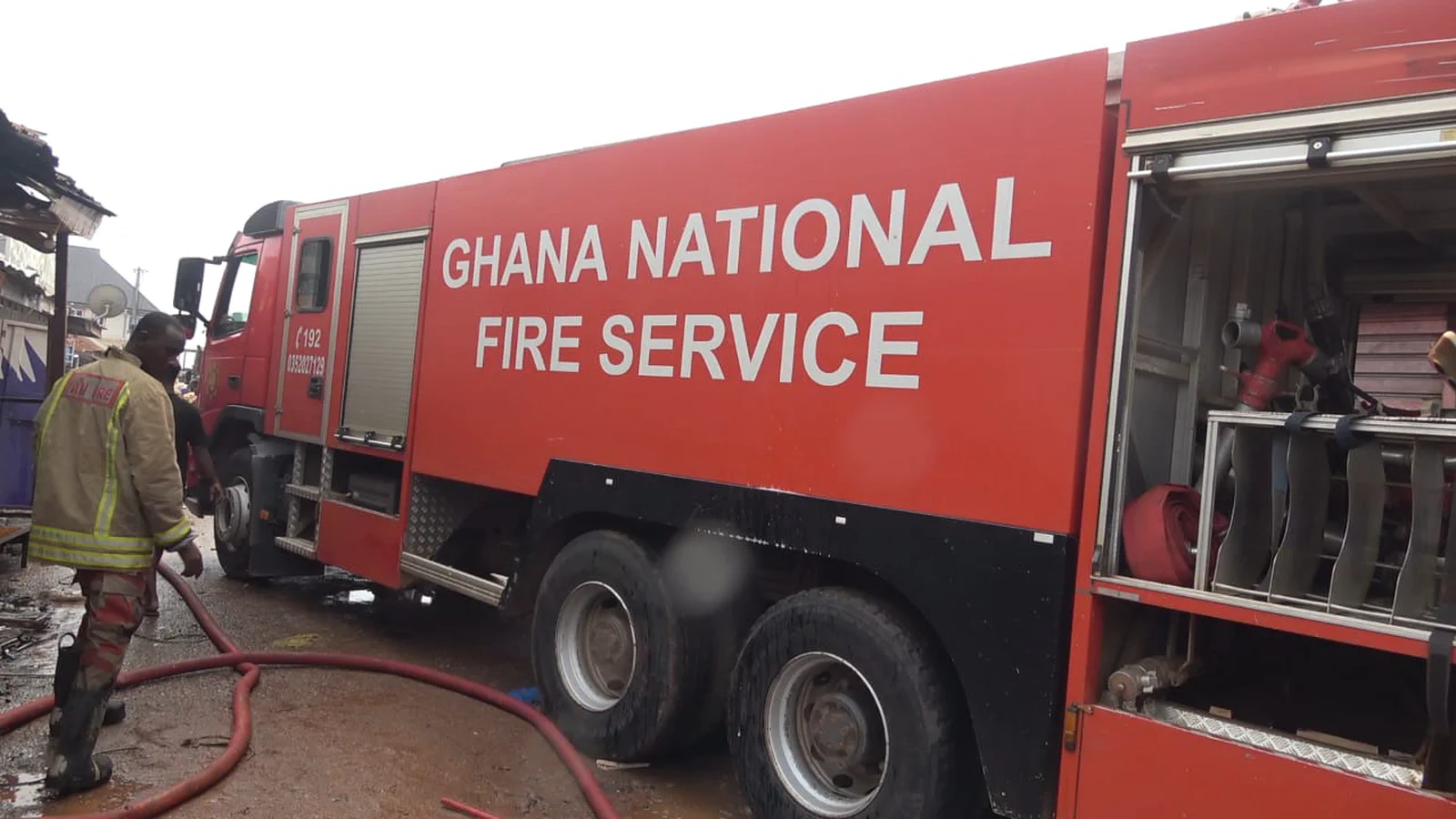
BONO REGION — With the Bono Region recording 275 fire outbreaks in 2025, representing a 2.61 percent increase over the previous year, concerns are growing over the emergency preparedness of the Ghana National Fire Service (GNFS) to respond quickly and effectively to incidents across the region.
Many residents believe that several fire outbreaks escalated due to delayed response times, arguing that the extent of damage could have been significantly minimised if firefighters had arrived earlier.
For Madam Christiana Nyamekye, a trader and victim of a devastating market fire, the loss remains painful.
“We called the fire service as soon as the fire started, but the crew arrived long after the flames had taken over. By the time help finally came, everything we owned had been reduced to ashes.”
Similar complaints have been reported in communities including Dormaa Ahenkro, Chiraa and Odumase, where residents say firefighters either arrived late or reached scenes without functional fire tenders.
Logistical Constraints Undermining Response
The Ghana National Fire Service maintains that its personnel remain committed and prepared to tackle rising fire incidents. However, serious logistical challenges continue to undermine their effectiveness.
According to the Bono Regional Commander of the Ghana National Fire Service, ACFO II Cecil Addo, the limited number of operational fire tenders across the region is a key constraint.
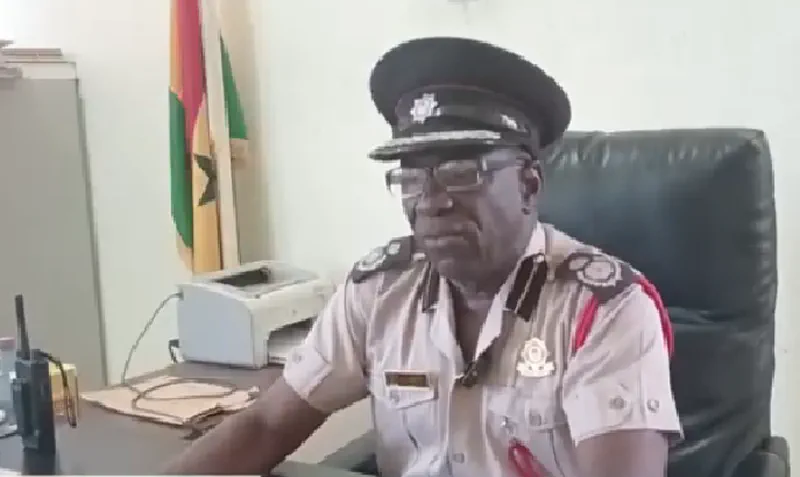
“Many districts like Dormaa Central and Japekrom do not have operational fire tenders, so we are compelled to rely on fire tenders from other districts in case of emergencies. Sadly, due to distance, by the time personnel get to the scene, the fire has already caused havoc.”
The reliance on neighbouring districts significantly increases response time, particularly in rural and peri-urban communities.
Ageing Fleet and Equipment
With many fire tenders reportedly as old as 40 years, firefighters across the region are overstretched and under-equipped to effectively discharge their mandate under the Fire Service Act 537.
ACFO II Cecil Addo warned that ageing vehicles not only delay response times but also weaken proactive fire prevention efforts.
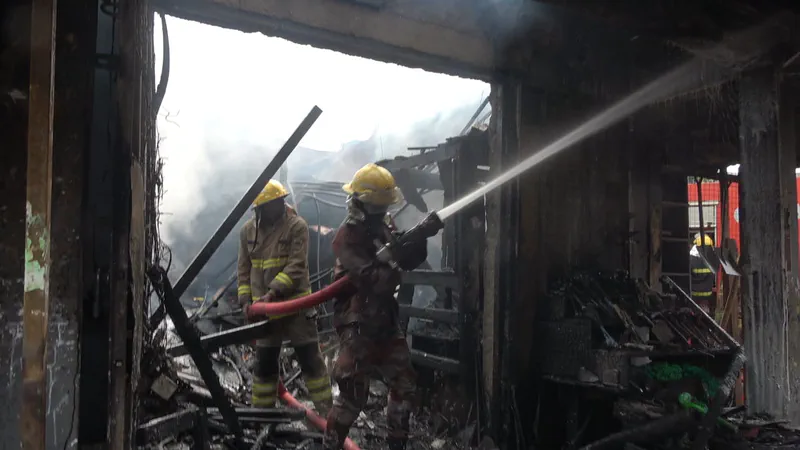
“These ageing fire tenders not only slow down our response to emergencies, but they also severely limit our ability to carry out proactive fire prevention measures across the region. Without reliable equipment, we are constantly reacting to disasters rather than preventing them.”
Appeal for Urgent Fleet Retooling
The Regional Commander has therefore appealed to government to initiate an urgent fleet renewal programme to replace decades-old vehicles with modern fire tenders.
He emphasised that retooling the service would not only improve response time but also strengthen preventive education and inspection exercises across markets, institutions and residential areas.

As fire incidents continue to rise, residents say strengthening the Ghana National Fire Service is not merely an institutional concern but a matter of public safety.
For traders, farmers, homeowners and businesses across the Bono Region, faster response times could mean the difference between manageable loss and total devastation.