Blood on the Asphalt: The Growing Okada Crisis in Ashaiman
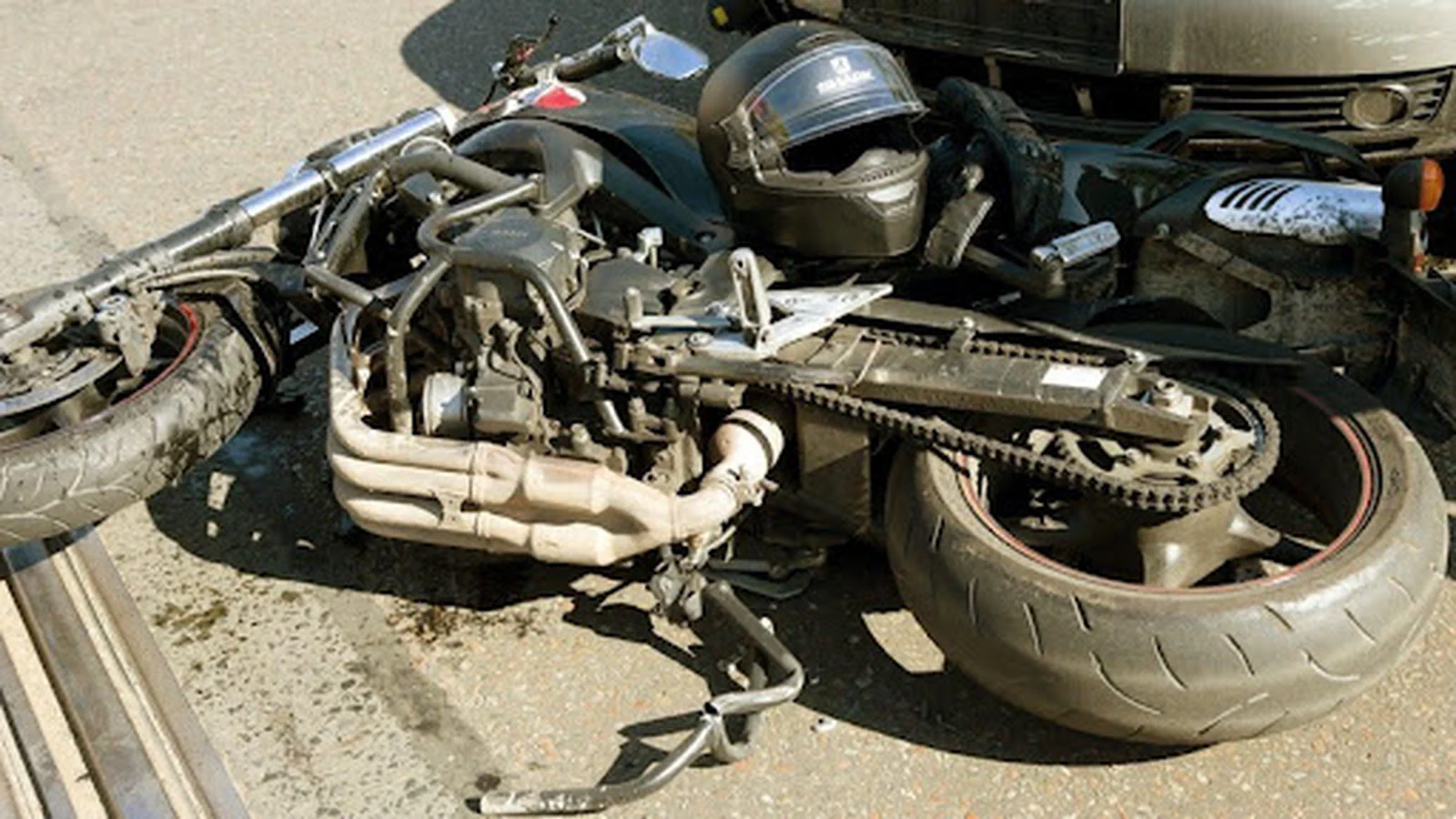
Over the years, motorbike accidents have become one of the leading causes of road traffic injuries and deaths in Ashaiman and its surrounding areas. At the centre of the crisis are commercial motorbike riders—popularly known as “Okada”—whose widespread overspeeding and reckless driving have turned many roads into danger zones.
Engines roar to life and bikes surge forward at high speed, often without regard for traffic rules or pedestrian safety. In many cases, riders operate without helmets, placing both themselves and their passengers at extreme risk. The result has been a sharp rise in morbidity, including permanent deformities, and mortality linked to motorcycle crashes.
A Livelihood With a High Price
Ashaiman is known for its high concentration of motorbike riders who rely on Okada as a primary source of income. For many residents, motorbikes offer a faster and more flexible means of transportation, especially as an alternative to congested Tema–Accra traffic.
While riding a motorbike is not inherently wrong, residents say the behaviour of some riders has become increasingly problematic. Overspeeding, dangerous overtaking, and disregard for pedestrians are now common sights on major roads and inner streets.
Concerns have also been raised about substance abuse, including alcohol and drugs, among some riders. Community members question how safe riding is possible when judgment, vision, and reaction time are impaired. In such conditions, collisions with cars, trucks, and pedestrians become almost inevitable—often with fatal consequences.
What the Data Shows
According to the National Road Safety Authority (NRSA), road crashes in Ghana have reached alarming levels. Between January and August 2025, the country recorded:
- 1,937 deaths from road crashes
- 10,957 injuries
- 9,626 reported crashes
Out of 16,348 vehicles involved, 4,186 were motorcycles, confirming that motorbikes account for a significant share of accidents nationwide. The NRSA reports that speeding was a factor in over 80% of all crashes.
In 2023, the Tema Police Region, which includes Ashaiman, recorded 65 deaths from motorcycle crashes, along with 282 injuries—figures that underline the severity of the crisis at the local level.
The Hospital at the End of the Road
For many Okada riders and passengers, the final destination is not home or work, but the Accident and Emergency Department of Tema General Hospital. As the main referral hospital for the municipality, the facility is under increasing strain from Okada-related trauma cases.
Doctors and nurses report a relentless flow of patients with shattered limbs, spinal injuries, and fractured skulls. Because helmet use remains low, many survivors suffer permanent disabilities or traumatic brain injuries. Hospital wards are filled with young men whose lives have been irreversibly altered—often due to just seconds of reckless speed.
From Survival Tool to Public Threat
For years, the sound of motorbike engines has been the heartbeat of Ashaiman’s informal economy. To many, Okada represents survival—a way to earn a living and navigate traffic efficiently.
Today, that heartbeat is increasingly drowned out by ambulance sirens.
What was once a convenient mode of transport has become a daily gamble with death, as reckless driving and substance abuse turn roads into scenes of tragedy.
A Call for Change
The Okada remains an important economic tool for Ashaiman, but without strict enforcement, rider discipline, and behavioural change, it continues to function as a deadly trap.
Shifting the focus from “fast transport” to “safe transport” is critical. Stronger regulation, helmet enforcement, public education, and community accountability are essential if lives are to be saved.
Until then, the blood on Ashaiman’s asphalt will continue to tell a story of urgency—one the city can no longer afford to ignore.