Tano River Under Siege: Galamsey's Deadly Toll on Water and Ecosystems
TANOSO, AHAFO REGION — Patrick Oppong, a 68-year-old resident of Tanoso, stood quietly on the banks of the Tano River. His face was etched with sadness as he looked at what was once his community’s lifeline.
For decades, Patrick and generations before him relied on the fresh Tano River. But today, he can no longer recognise the water that sustained his family. The once-clear waterway is now brown, thick, and polluted.
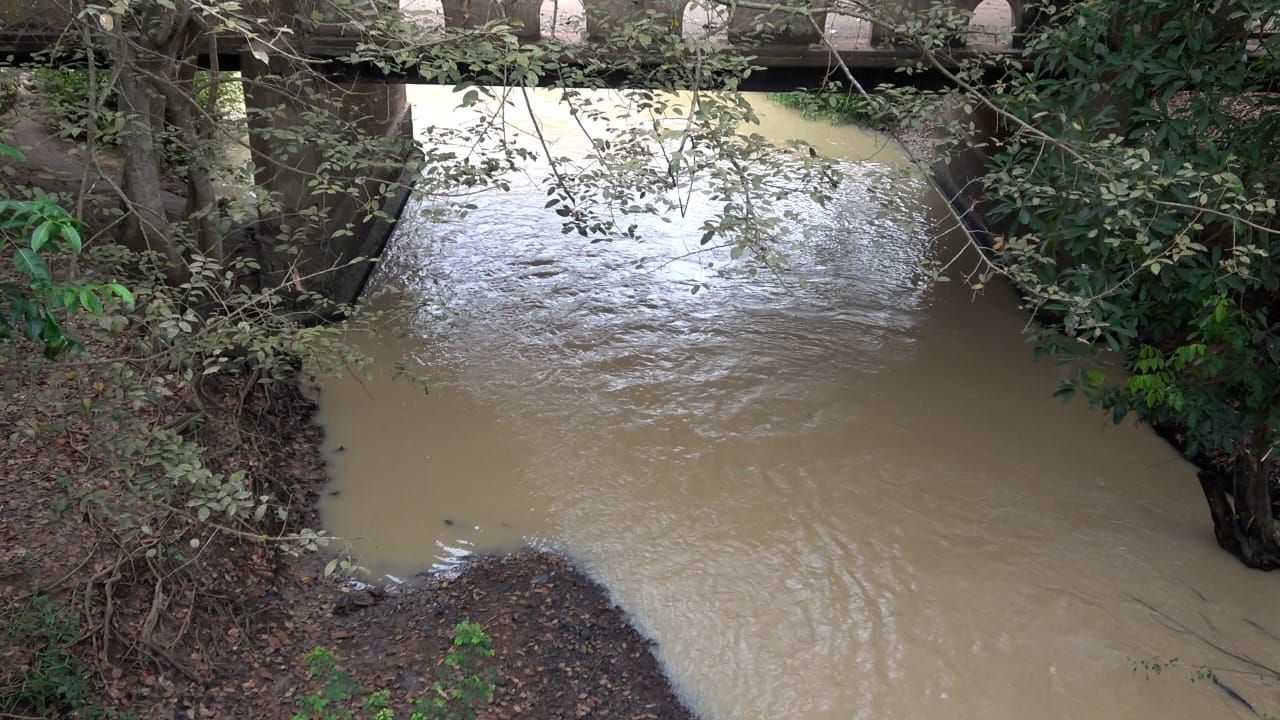
Polluted Tano River
With the river now under siege as illegal mining activities (galamsey) intensify, residents living along the banks in the Ahafo and Bono Regions are alarmed. It has become evident that galamsey is no longer a distant environmental issue but a daily threat to their health and survival.
A River in Crisis
At Tanoso, vast stretches of muddy, polluted water paint a gloomy picture of the river’s deteriorating state. The environmental crisis unfolding here is severe.
There are grave concerns that the continued degradation of the Tano River could have long-term consequences for the potable water supply and biodiversity, including the destruction of aquatic habitats and the poisoning of wildlife.
“We can no longer fetch water from the river for cooking or drinking. Even our livestock avoid it.”
Although officials of the Ghana Water Company Limited (GWCL) have been tight-lipped on the level of contamination, credible information suggests that some treatment plants have been shut down due to the severe pollution—a testament to how grave the matter has become.
Faustina Odoom, a resident, asserts that the pollution has reshaped daily life. Fisherfolk also complain of dwindling fish stocks, attributing the decline to chemicals and sediments discharged into the river.
VIDEO: The Source of Pollution
Despite authorities’ denial, deep within the dense thickets lies the source of the pollution choking River Bisi, a key tributary.
The Hidden Menace at River Bisi
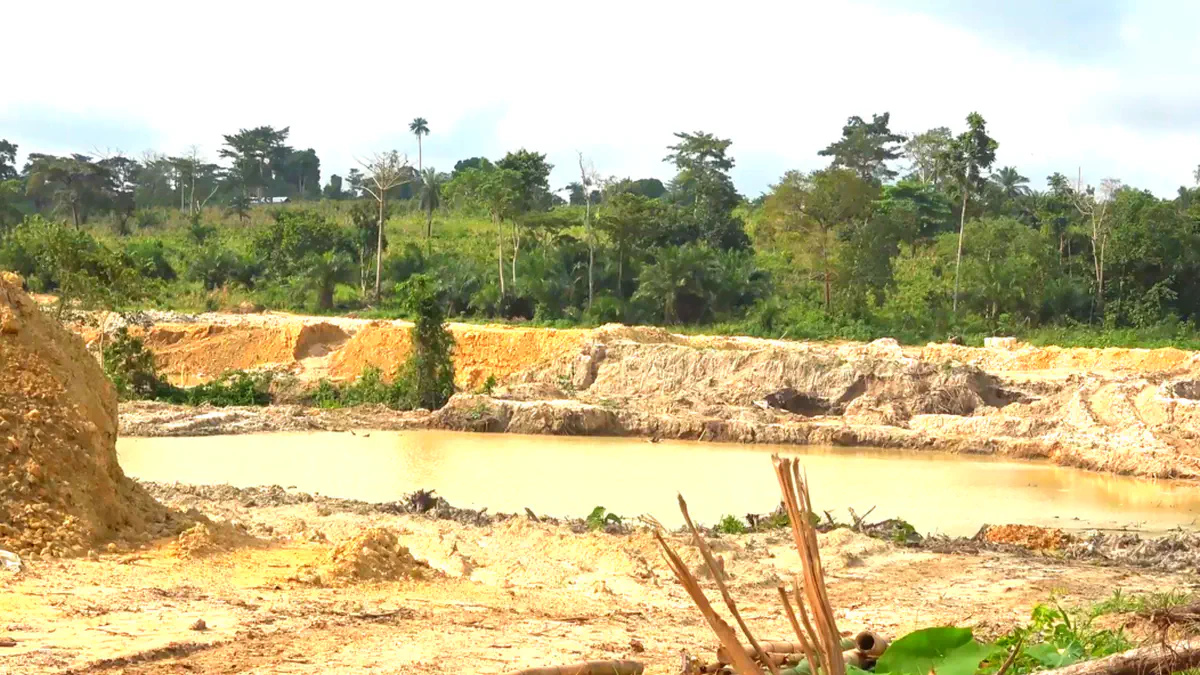
Far from public view at Adengyemim, illegal miners driven by greed have encroached upon the riverbed. They have reduced flowing water to gaping pits filled with murky sludge that continues to contaminate the river downstream and eventually the Tano River itself.
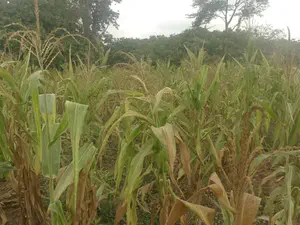
Beyond the water pollution, the activities have dealt a heavy blow to vegetation. More than 60 acres of farmland have been destroyed. Vast cocoa farms and food crop fields that once sustained families have been turned into open pits and heaps of sand.
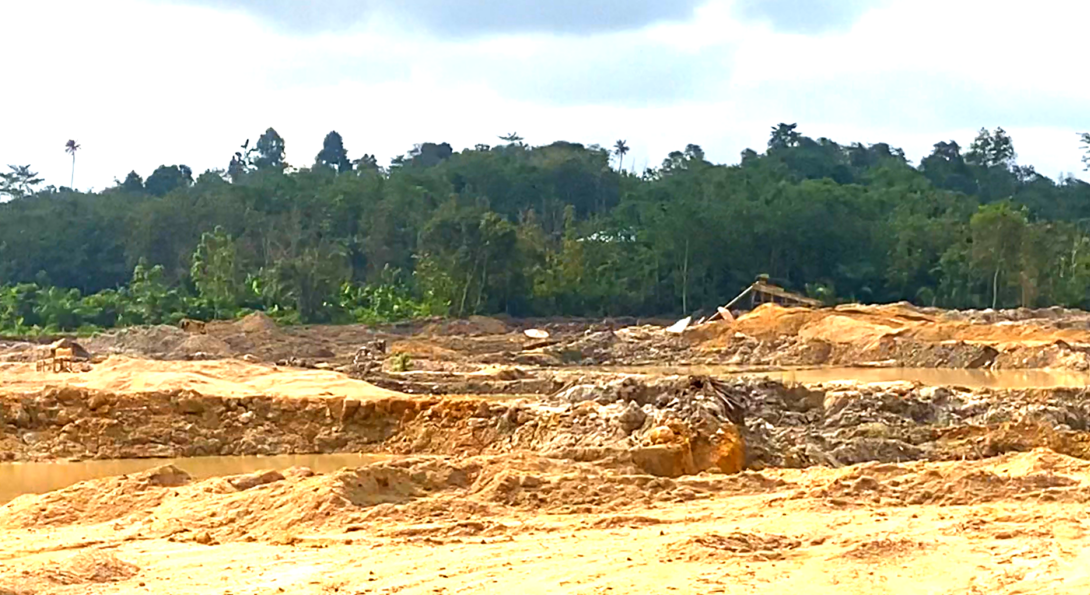
galamsey.
Kofi Oduro, a resident of Adegyemim, recounts that the impact on surrounding communities like Bisi, Krofoforom, and Subriso is no longer abstract.
“Several communities whose livelihoods depend on the River Bisi are now grappling with the devastating impact,” he bemoaned. “Access to clean and safe drinking water has become increasingly impossible.”
Farmers Vow to Resist
Drawing lessons from other regions reeling under the “paradox of plenty”, many farmers are determined to resist the galamseyers. For them, this is about safeguarding their health and the future of their communities.
At the forefront of this spirited resistance is Nana Asare Kofi Adamper, who has vowed to protect his farm in the face of imminent threats and attempted bribes.
“The illegal miners offered me GH¢150,000, but I rejected the money outright. I told them to keep their money because the destruction they would cause would last for generations.”

Nana Asare Kofi Adamper, a farmer
A Call for Action
Nana Asare appealed to authorities not to treat this as an isolated case. Farmers are currently unable to get water for crop spraying because the only available source is contaminated.
“I am appealing to the authorities to intervene immediately and drive them out,” he urged, warning that delays could have far-reaching consequences extending well beyond individual communities.
📷 Gallery: The Scale of Destruction