Robbery on the Streets of Tema: A Daily Fear for Many Residents
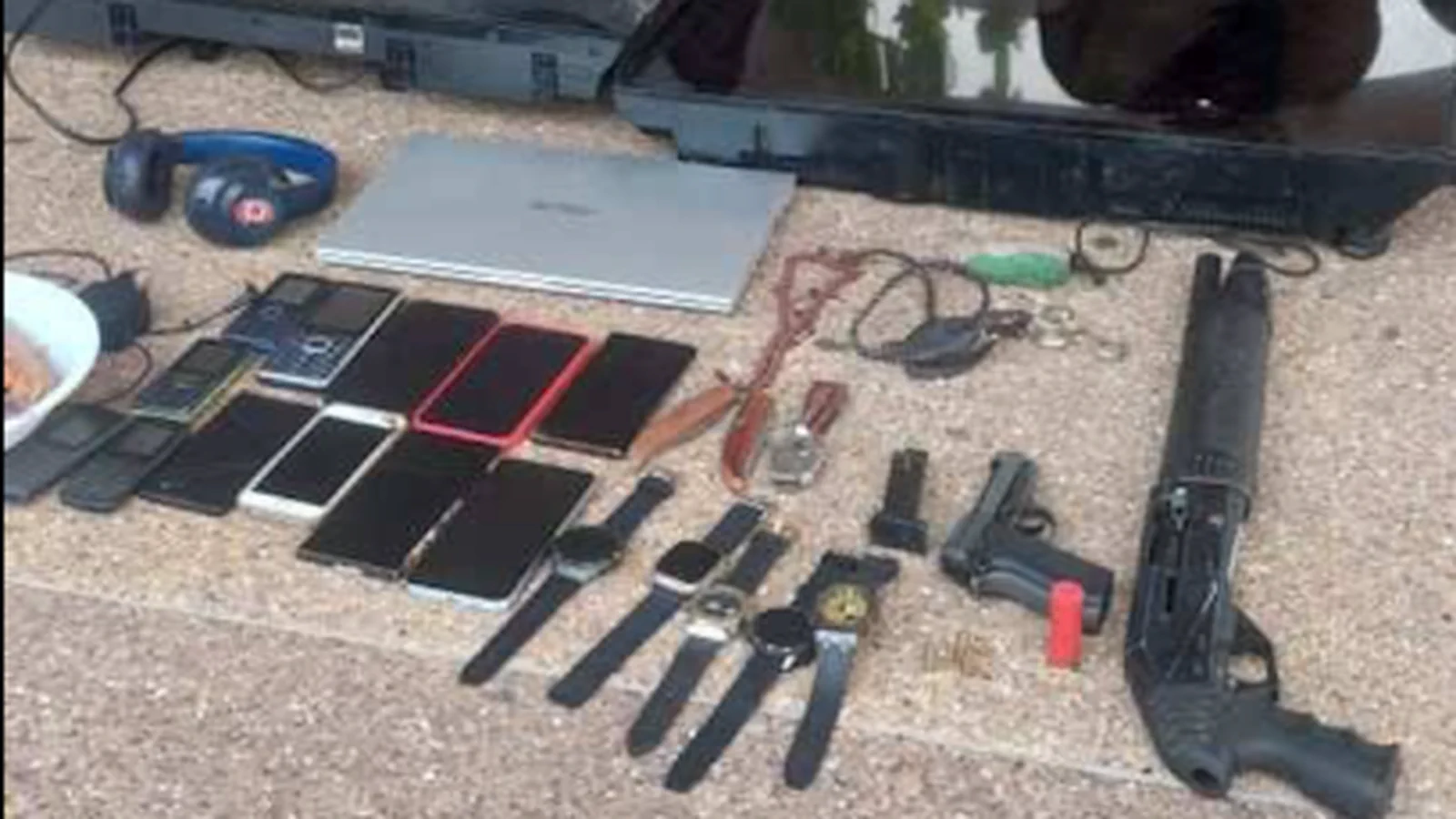
For many residents of Tema, moving freely on the streets is no longer something taken for granted. What was once a normal walk to the bus stop, a late return from work, or an early morning jog has increasingly become a moment of fear, as cases of street robbery continue to rise across the city.
In areas such as poorly lit roads, shortcuts between communities, bus stops, and market surroundings, reports of robberies are becoming more frequent. Residents describe being approached by one or more individuals who issue threats and demand phones, money, or bags. These incidents often unfold within seconds, leaving victims shocked and helpless. In most cases, the attackers disappear before assistance arrives.
Patterns and Vulnerable Groups
Robberies are reported most often late at night and in the early hours of the morning, when streets are quieter and security presence is limited. Workers returning from night shifts, traders heading to markets before dawn, and students walking alone are among the most frequent targets.
Some residents say they have changed their routines entirely—hiding their phones, avoiding certain routes, walking in groups, or pretending to be on phone calls simply to appear alert and deter attackers.
Underlying Causes
Several factors are blamed for the growing insecurity. Unemployment and rising living costs have pushed some individuals into criminal activity. At the same time, broken or non-functioning streetlights in parts of the city create dark spaces where robbers can easily hide.
Residents also point to inadequate police patrols and delayed response times, which they say reduce public confidence and embolden criminals. Rumours have circulated that some motorbike riders, allegedly operating from nearby communities such as Ashaiman, target well-endowed neighbourhoods before quickly disappearing.
Impact on Daily Life
The effects of street robbery go beyond the loss of personal belongings. Many victims report ongoing fear, stress, and trauma, with some struggling to return to normal routines. Parents worry about their children’s safety, while workers feel unsafe commuting after long workdays.
Small businesses and roadside traders are also affected, as customers increasingly avoid areas known for frequent robberies. Over time, this erodes local economic activity and weakens community trust.
Calls for Action
Residents are calling for increased police visibility, improved street lighting on major roads, and faster responses to distress calls. Many stress that community cooperation is equally important, urging neighbours to look out for one another and report suspicious activity rather than remain silent.
In some areas, informal night watch groups have already emerged, highlighting the seriousness of the situation and the growing sense of responsibility among residents.
A Daily Reality
Robbery on the streets of Tema is no longer seen as isolated incidents—it has become a daily reality for many. Addressing the problem will require decisive action from authorities alongside sustained cooperation within communities.
Until effective and lasting measures are put in place, the fear of robbery will continue to shape how residents live, move, and survive in the city.