Shea Processors Call for Board to Regulate Prices and Exports
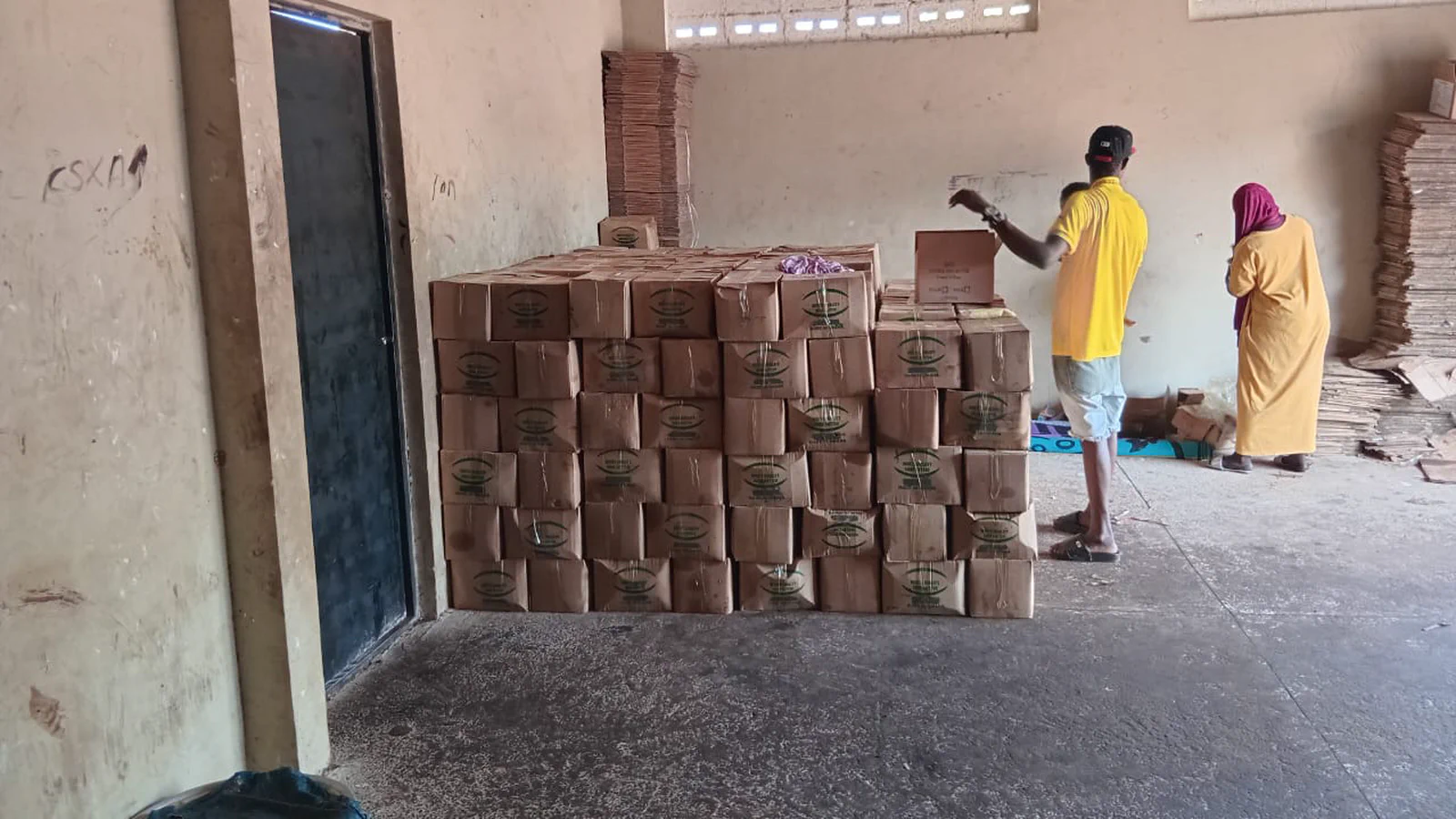
The call, in the backdrop of vulnerability to price manipulation, unfair trade practices and inconsistent market access, aims to stabilise costs for local women’s cooperatives, which are struggling to compete with bulk exporters due to limited capital and reliance on seasonal incomes.
In an exclusive interview, the Secretary of the Bori Bi Jari Suli Cooperative Shea Processing Centre, Ibrahim Fatima, revealed that with a bowl and a kilogram of shea butter selling at GH₵20 and GH₵30 respectively, the establishment of a regulatory board will go a long way in supporting the sector.
“Sometimes we harvest in abundance, but because there is no fixed pricing system, buyers come and dictate the price. We have no option but to sell at a loss, so the establishment of a board will be of great help to us.”
Ibrahim Fatima noted that the centre serves as a vital economic hub, providing opportunities for between 600 and 800 women drawn from several rural communities, including Ngudua, Kpilo, and Napagyili, to process shea nuts into butter for both local and commercial markets.
Shea Nut Processing
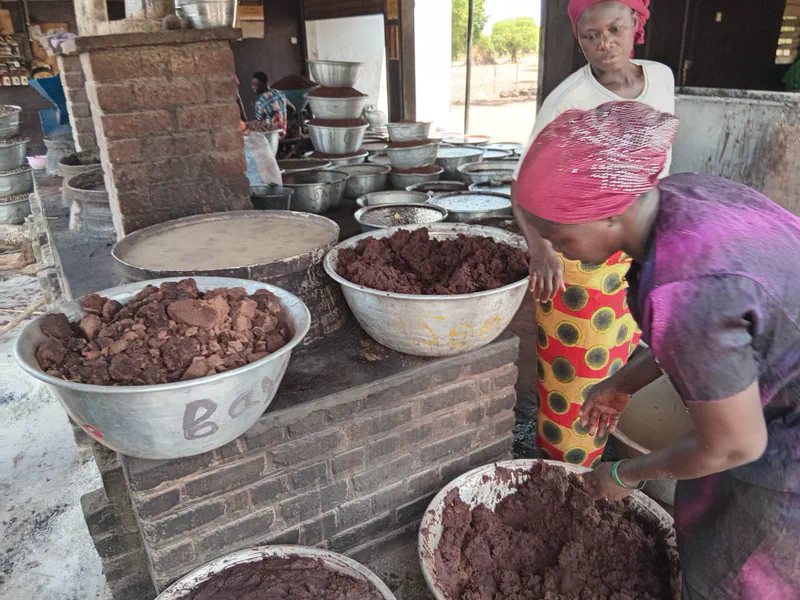
Derived from the nuts of Vitellaria paradoxa, shea butter is widely used in food, cosmetics, and pharmaceuticals, making it a valuable commodity on both local and international markets.
For many women’s groups and cooperatives like the Bori Bi Jari Suli Cooperative Shea Processing Centre, the activity is not only a source of livelihood but also a means of empowerment, fostering financial independence and community development.
Despite its importance, the processing of shea nuts is largely traditional and labour-intensive, involving multiple stages that require skill, time, and access to basic resources to maintain quality standards.
According to Ibrahim Fatima, the entire process includes collecting fallen nuts, boiling, drying, shelling, crushing, roasting, milling, kneading, and boiling before the oil is finally extracted.
“The entire process of producing shea butter is extremely cumbersome, from the initial collection of the nuts to the final extraction of the butter, with each stage demanding significant time, physical effort, and coordination, often requiring long hours of manual labour under challenging conditions.”
Operational Challenges
Despite its contributions to the local economy, the Bori Bi Jari Suli Cooperative Shea Processing Centre faces significant operational challenges, including water scarcity and inadequate equipment, which are affecting its productivity and sustainability.
According to Madam Fatima, the centre operates with only three kneaders, one mill, and one crusher, leading to backlogs of processed shea awaiting further stages.
Appeal for Retooling
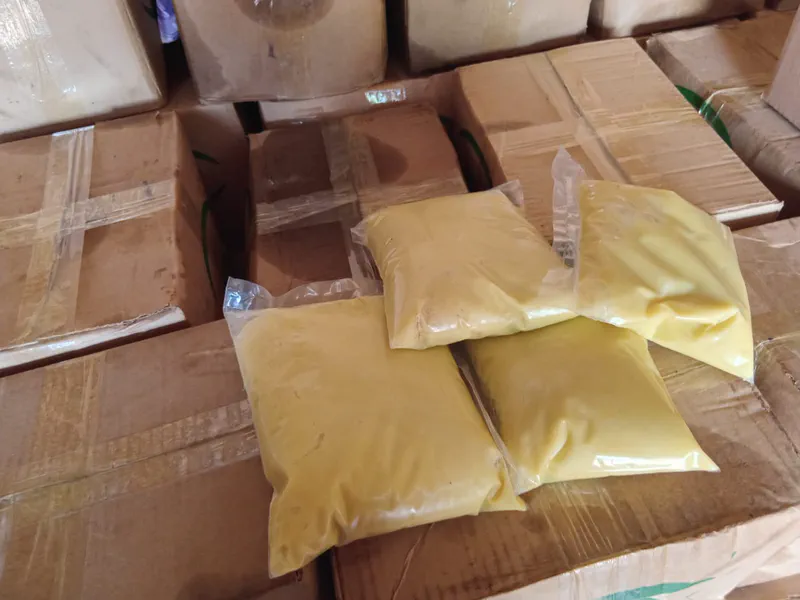
Refined shea butter after the final extraction process. She appealed to the government to prioritise targeted investments in the shea sector by providing modern processing machinery, ensuring a reliable and sustainable water supply, and strengthening access to international markets to boost production and profitability.
You might also like
 Business
From Kitchen Staple to Luxury Spice: Ginger Price Hike Bites Hard on Businesses, Households
 Business
Cracking for Survival: Inside Koforidua’s Palm Kernel Oil Industry
 Business