Rising Food Prices Deepen Hardship for Traders and Consumers at Tamale Main Market
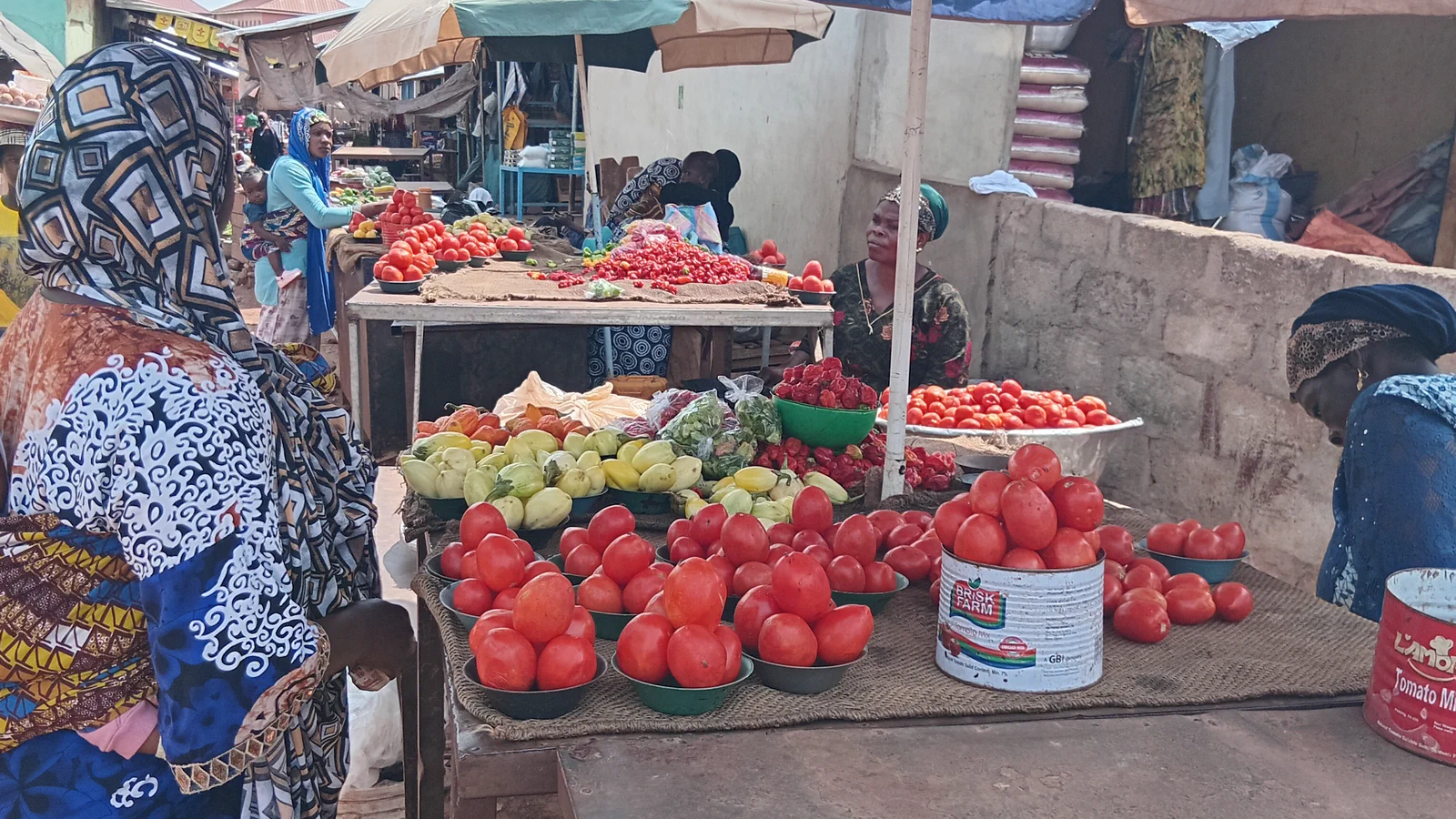
TAMALE — Amid the noise of bargaining voices, stacked baskets of tomatoes, yams, cereals and vegetables lining the busy walkways of Tamale Main Market, traders and consumers say one concern dominates conversations more than ever before: the relentless rise in food prices.
For many traders, the current period represents one of the toughest moments for doing business in recent years.The rising cost of food commodities, combined with weak purchasing power among consumers, is placing pressure on both traders and households as many struggle to afford essential food items.
Market women say poor sales, shrinking profits and increasing spoilage of perishable goods are becoming daily realities.
According to the Ghana Statistical Service, food inflation reached 22.60 percent in April 2026, with several staple commodities recording sharp price increases across the country.
Food items including yam, ginger, beans, tomatoes, maize and rice have all become significantly more expensive in recent months.
Traders Feel the Pressure
A visit to Tamale Main Market revealed frustration among both traders and customers as food prices continue to climb.
Yam sellers explained that prices have moved beyond the reach of many households.
Depending on size and quality, three tubers of yam currently sell between GH¢30 and GH¢120, making the staple increasingly difficult for some families to afford.
Tomato traders blamed rising prices largely on supply challenges involving neighbouring Burkina Faso, a major source of tomatoes entering Ghanaian markets.
According to traders, transportation difficulties, fuel price increases and border-related constraints have all affected supply chains and contributed to higher market prices.
Tomatoes that previously sold for GH¢5, GH¢10 and GH¢30 now sell for approximately GH¢10, GH¢20 and GH¢40 respectively.
Some traders say customers increasingly buy smaller quantities because they can no longer afford their previous purchasing levels.
“There is no money in the system. Customers come to the market but leave without buying because they cannot afford the prices,” one market woman lamented.
The rise in cereal prices is also deepening hardship for consumers.
A bowl of maize now sells for GH¢10, while half a bowl costs GH¢5.
Rice prices have equally increased, with a bowl selling for GH¢40 and half a bowl costing GH¢20.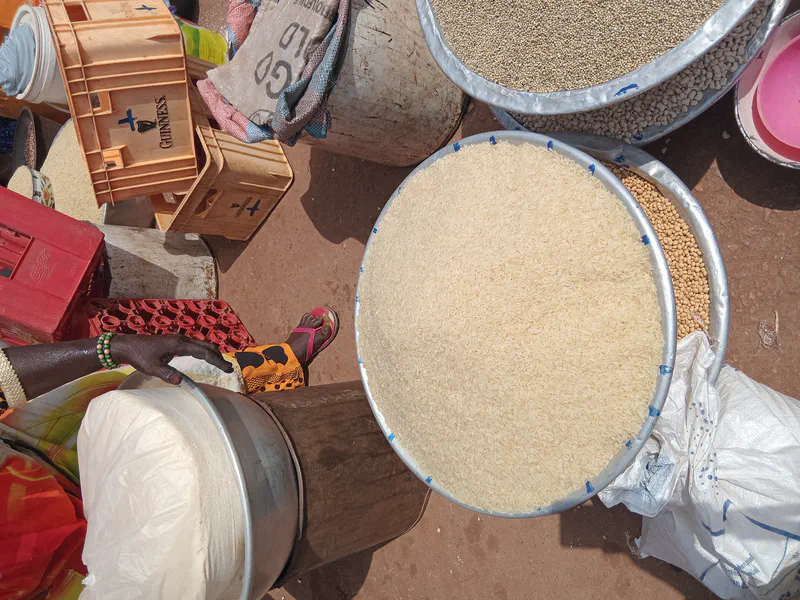
Low Sales, Rising Losses
Many traders say business activities have slowed significantly as consumers struggle with the broader cost-of-living crisis.
Some traders disclosed that they now reduce their profit margins simply to attract buyers, yet sales remain low.
“Even we, the traders, buy the goods at very high prices. Sometimes we reduce our profits just to make sales, but buyers are still few. At the end of the day, some of us make losses,” another trader explained.
For traders dealing in tomatoes, peppers, onions and other perishable commodities, low patronage is creating an additional challenge — spoilage.
Without adequate storage facilities, many say they are forced to throw away unsold produce after it deteriorates.
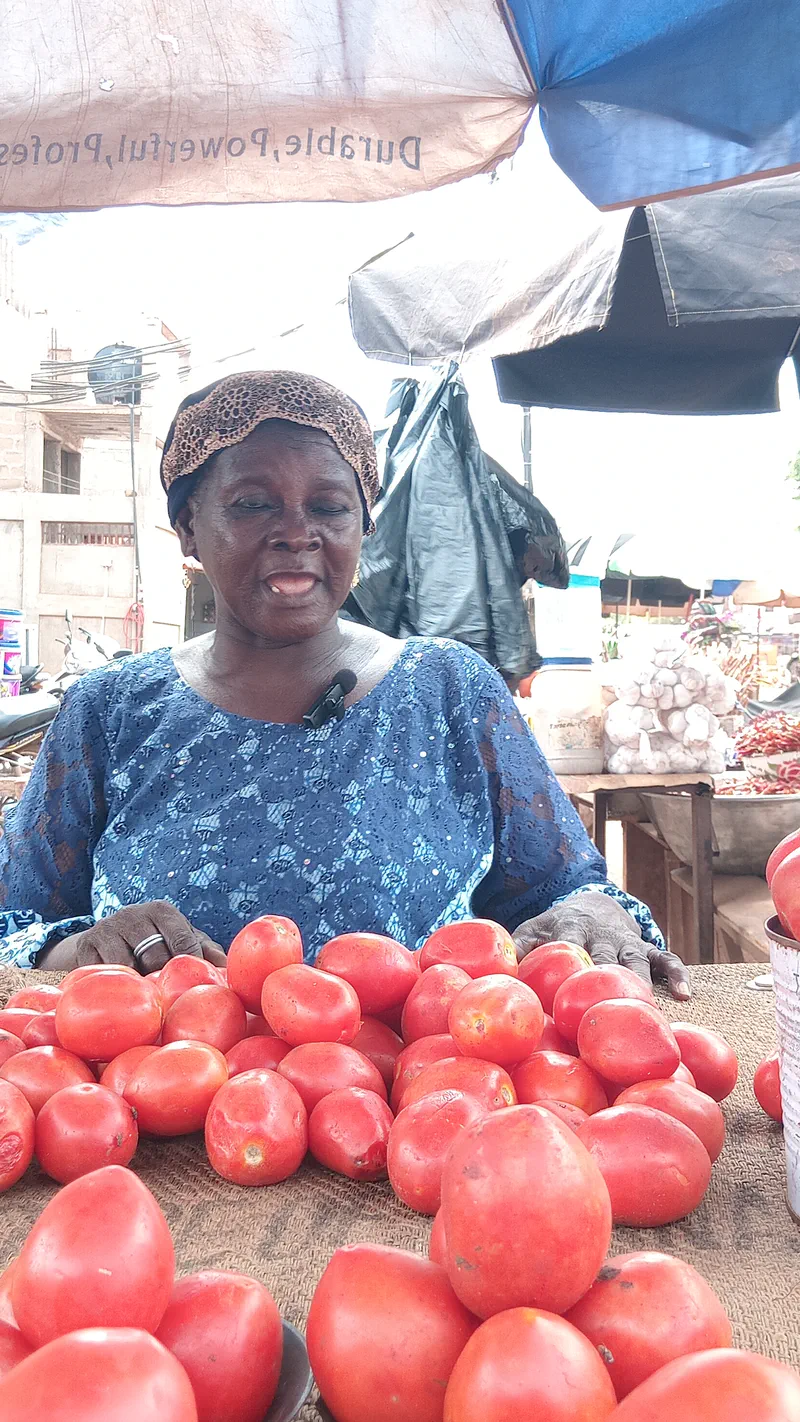
“We don’t make sales like before. Some of the goods spoil, and we throw them away. It is becoming very difficult to continue the business,” another trader stated.
Consumers visiting the market also voiced frustration over the cost of feeding their families.
Some shoppers indicated that they now purchase smaller quantities of food items to manage household budgets, while others say they have completely stopped buying certain commodities because they have become too expensive.
Calls for Intervention
Traders attribute the worsening situation to multiple factors, including rising transportation costs, poor road networks affecting food distribution, limited storage infrastructure, unpredictable weather conditions impacting farming activities, and broader global market pressures influencing imported food commodities.
According to them, transporting goods from farming communities to urban markets has become significantly more expensive due to fuel price increases, with those additional costs ultimately transferred to consumers.
The traders are therefore appealing to government and relevant stakeholders to urgently introduce measures aimed at stabilising food prices and supporting both farmers and market traders.
They are also calling for improved storage facilities, stronger transportation systems and policies that reduce the overall cost of doing business.
“We need support because things are becoming harder every day. If prices continue to rise like this, many businesses will collapse,” one trader appealed.
Although the Ghana Statistical Service projects inflation to ease gradually in the coming months, traders at Tamale Main Market insist that immediate intervention is necessary to reduce the burden on ordinary Ghanaians and restore confidence in the local market economy.