Water Scarcity in Tema: A Daily Struggle Behind the City’s Industrial Image
In Tema, water has become something people wait for, plan around, and sometimes argue over. In a city known for factories, the port, and heavy industry, many residents say one basic necessity is no longer guaranteed: running water.
Water is essential to life and everyday living. Yet in Tema, something so naturally provided has become as scarce—and as contested—as a luxury.
Living Without Reliable Water
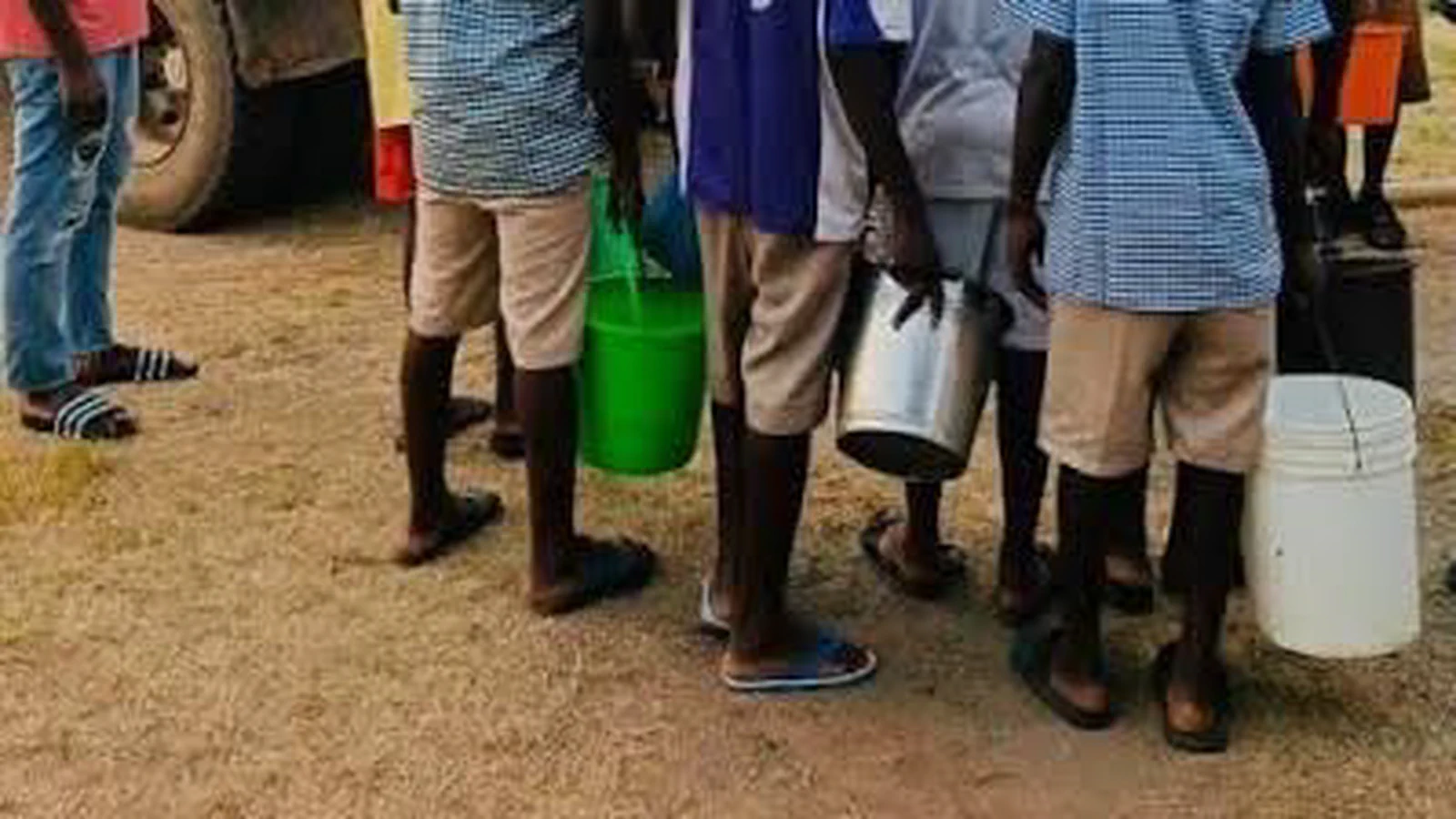
Across several communities, taps often run dry for long periods. Some households go days without water, while others report supply only late at night or for a few hours in the early morning. When water finally flows, residents rush to store it in drums, buckets, and tanks, uncertain of when it will return.
For many families, buying water from tanker operators has become routine—but at a cost. Some residents say they have resorted to bathing with sachet (“pure”) water or, at times, skipping baths entirely before work.
Recently, the situation worsened significantly. Large parts of the city reportedly experienced more than two weeks without water, affecting homes, businesses, and even health facilities. Many residents questioned how hospitals and essential services managed to cope during the prolonged shortage.
Rising Costs and Economic Impact
In fast-growing areas such as Community 25 and other expanding neighbourhoods, tanker water has become the primary source of supply. A single tanker delivery can cost hundreds of cedis, depending on demand and availability.
For households already burdened by rising food prices and transport fares, this additional expense is unsustainable. Small businesses that depend heavily on water—food vendors, hairdressers, car wash operators—are also feeling the strain. When water does not flow, work stops.
Some residents say they have been forced to reduce how often they bathe or wash clothes, raising concerns about hygiene and public health.
What Authorities Say
The Ghana Water Company Limited has attributed the persistent shortages to aging pipelines, congestion, and rapid population growth. Many of Tema’s water pipes were installed decades ago and now require replacement. In densely built-up areas, laying new pipelines is difficult, as buildings have been constructed too close together.
There have also been disruptions linked to damage to major pipelines supplying water treatment plants. When such incidents occur, Tema and surrounding areas are affected almost immediately. Even after repairs, restoring normal pressure and supply can take days.
A City Growing Faster Than Its Infrastructure
Tema continues to expand rapidly, with new housing estates and communities emerging across the metropolis. However, water infrastructure has not kept pace with this growth. Systems designed to serve far fewer residents are now stretched beyond capacity.
The result is low water pressure, rationing, and complete shortages in some areas. For many residents, the problem is no longer occasional—it is becoming permanent.
Uncertainty and Frustration
Perhaps the biggest frustration is not just the lack of water, but the uncertainty. Residents say there is often little or no clear communication about when supply will be restored. People are left guessing, storing water whenever possible, and restructuring their daily lives around an unreliable system.
For a city that plays such a critical role in Ghana’s economy, many believe this situation should not be the norm.
Looking Ahead
Addressing Tema’s water crisis will require more than temporary fixes. Aging pipelines need replacement, water systems must be expanded, and urban planning must be enforced to protect critical infrastructure.
Until then, residents say they will continue to depend on tankers, storage containers, and luck.
For now, water scarcity has become a quiet but serious part of daily life in Tema—one that affects homes, businesses, and public health, even if it does not always make the headlines.